
Delivery times have become increasingly important in today’s fast-paced world. Customers now expect quick and efficient delivery of their goods, often within just a few days or even hours. This has put pressure on businesses to optimize their last-mile delivery processes in order to meet these high expectations. But why exactly has the optimization of the last mile become so crucial in the battle for timely deliveries?
**What is the « last mile » in delivery?**
The term « last mile » refers to the final leg of the delivery journey, from the distribution center to the customer’s doorstep. This is often the most challenging and costly part of the delivery process, as it involves navigating through traffic, finding parking, and making sure the right package gets to the right person. It’s also where most delays occur, which is why optimizing this last mile has become a top priority for companies looking to improve their delivery times.
**Why is optimizing the last mile important?**
Optimizing the last mile has a direct impact on customer satisfaction. A smooth and efficient delivery experience can lead to happy customers who are more likely to make repeat purchases. On the other hand, delays or missed deliveries can result in negative reviews, lost sales, and damage to a company’s reputation. By streamlining the last-mile process, businesses can ensure that packages are delivered quickly and accurately, ultimately leading to higher customer satisfaction.
**How can businesses optimize the last mile?**
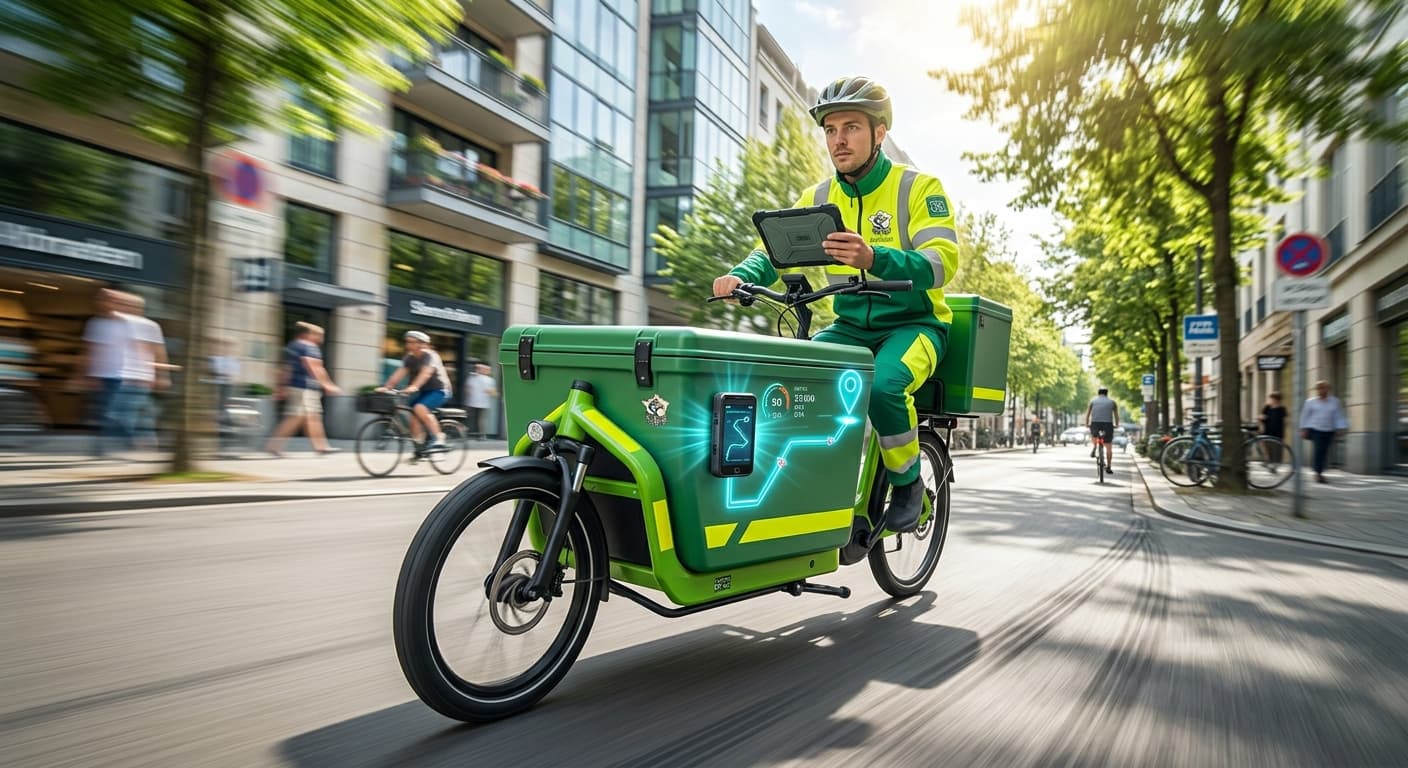
There are several strategies that businesses can use to optimize the last mile of their delivery process. One common approach is to use technology, such as route optimization software, to help drivers find the most efficient routes and avoid traffic congestion. Companies can also invest in alternative delivery methods, such as drones or robots, to speed up the delivery process. Additionally, partnering with local warehouses or pickup points can help reduce the distance between the distribution center and the customer, making deliveries quicker and more cost-effective.
**What are the benefits of optimizing the last mile?**
Optimizing the last mile can have a range of benefits for businesses. Not only does it lead to faster and more reliable deliveries, but it can also reduce operational costs and increase overall efficiency. By improving the accuracy and speed of deliveries, companies can minimize the risk of returns and exchanges, saving both time and money. Additionally, a well-optimized last-mile process can help businesses stay competitive in the fast-paced world of e-commerce, where speed and convenience are key factors in attracting and retaining customers.
**What are the challenges of optimizing the last mile?**
Despite the potential benefits, optimizing the last mile comes with its own set of challenges. Traffic congestion, unpredictable weather, and the need for flexible delivery options can all make it difficult to ensure timely deliveries. Additionally, the high costs associated with last-mile delivery, such as fuel and vehicle maintenance, can eat into profit margins. Overcoming these challenges requires a combination of strategic planning, investment in technology, and a customer-centric approach to delivery.
In conclusion, the optimization of the last mile has become a crucial battleground in the quest for timely deliveries. By focusing on streamlining the final leg of the delivery journey, businesses can improve customer satisfaction, reduce costs, and stay competitive in today’s fast-paced market. With the right combination of technology, strategy, and customer focus, companies can conquer the last mile and deliver on their promises to customers.